
What Does a Roof Inspector Actually Check? A Full Breakdown


Quick Answer: A complete residential roof inspection covers six zones in sequence: roof surface, flashing and penetrations, eavestroughs and drainage, soffits and ventilation intake, attic interior, and interior ceilings. A HAAG-aligned inspection runs roughly 24 specific checkpoints in 45 to 90 minutes and produces a photo-supported written report with severity ratings on every finding.
A complete residential roof inspection covers six zones in a defined sequence: roof surface, flashing and penetrations, eavestroughs and drainage, soffits and ventilation intake, attic interior, and interior ceilings. Within those zones, an HAAG-aligned inspection checks roughly 24 specific items and produces a photo-supported written report with severity ratings on every finding. The work takes 45 to 90 minutes for a single-family Calgary home and produces a deliverable, not a verbal opinion. If your inspector skips a zone, doesn't take photos, or hands you a one-page checklist with no detail, you have not received a real inspection.
This breakdown walks through every zone, what the inspector looks for, and what each finding suggests about the roof system. Use it as a reference to evaluate inspection reports you've already received, to set expectations before booking, or to understand which questions to ask your inspector. The HAAG certification standard (recognized by most Alberta insurance carriers) is referenced throughout because it defines the most rigorous publicly documented residential inspection methodology.
At a Glance
Quick Facts:
Total inspection zones: 6 (surface, flashing, drainage, soffits, attic, interior)
Typical checkpoints per inspection: ~24 items
HAAG-aligned report includes: Photo evidence, severity ratings, recommended actions, baseline condition record
Time on site: 45 to 90 minutes for an average home
Report turnaround: 1 to 3 business days
Equipment used: Camera, moisture meter, thermal imager (optional), fall protection
Zone 1: Roof Surface
The surface assessment dominates the inspection because it shows the most damage and tells the most about overall roof health.
On asphalt shingles, the inspector checks:
Granule loss patterns (uniform wear vs hail-pattern loss vs streak loss)
Cracking, cupping, or curling at shingle edges
Lifted or missing shingles, broken seal strips
Hail bruising (soft spots indicating mat fracture without surface dimple)
Sealant condition at vent boots, pipe penetrations, and ridge caps
Algae or moss colonization on shaded slopes
On metal panels:
Fastener condition (backed-out screws, missing washers, corrosion)
Panel seam integrity, sealant condition at end laps
Surface coating wear, scratches, and exposing the substrate
Panel deformation from impact or thermal movement
On Euroshield, cedar, or other materials:
Material-specific failure patterns (cedar splitting, Euroshield UV cracking, cedar moss/algae)
Fastener condition appropriate to the material
Replacement piece colour-match and installation quality
Granule loss percentage is one of the most quoted findings. A new asphalt roof has nearly 100% granule coverage. Light wear (under 10% loss) is normal through year 8. Moderate loss (10 to 30%) signals mid-life wear and accelerates. Heavy loss (over 30%) means asphalt mat exposure and rapid deterioration. Calgary UV exposure pushes these thresholds earlier than national averages.
Zone 2: Flashing and Penetrations
Flashing problems cause more leaks than shingle problems. Every roof penetration is a potential entry point that depends on flashing and sealant for waterproofing.
Chimney flashing. The inspector checks counter-flashing (the metal embedded in mortar joints), step flashing (under shingles, against the chimney wall), saddle or cricket on the upslope side (sheds water around the chimney rather than ponding it), and cap or chase flashing on top.
Vent pipe boots. The rubber or thermoplastic seal around plumbing stacks degrades from
UV. Cracks at the base or at the top collar are common Calgary failures. A failed boot is usually one of the first leaks on a 10-to-15-year roof.
Skylight flashing. Skylights have multiple flashing layers (head, jamb, sill, step), and the inspector checks each for separation, sealant failure, and ice dam staining at the upslope side.
Valley flashing. Open metal valleys are checked for corrosion and seam integrity. Closed valleys (woven or cut shingles) are checked for granule loss concentration where water flow accelerates.
Drip edge. The metal at the eave and rake edges should overhang the fascia and tuck under the underlayment. A missing, undersized, or corroded drip edge is a common deficiency on older roofs.
Sidewall step flashing. Where the roof meets a vertical wall (dormer, porch addition, two-storey junction), step flashing tucks under each shingle course. The inspector verifies it's not painted over (which traps water against the wall) and not missing pieces.
Zone 3: Eavestroughs and Drainage
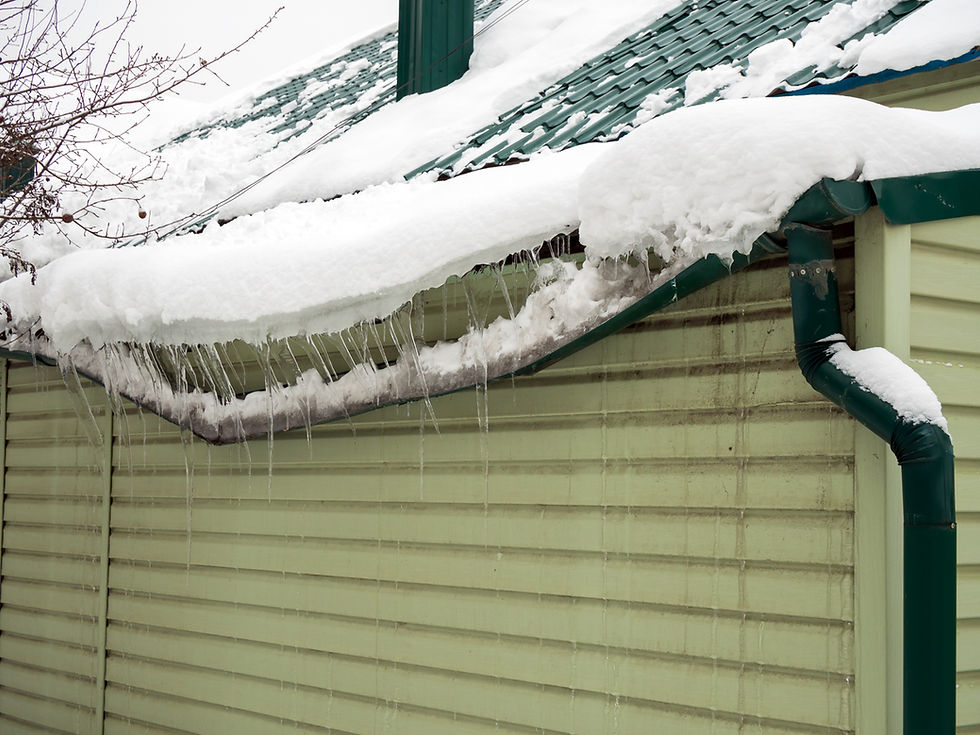
Drainage failures cause water to back up under shingles, overflow at the foundation, and damage fascia and soffits. The eavestrough inspection covers the gutter itself and everything water touches on the way down.
Gutter slope and condition. Standing water in a gutter means an inadequate slope. Sagging gutters indicate fastener or hanger failure. Separation at seams creates leak points that drip onto the fascia and saturate it over time.
Debris and blockages. Leaves, granules, and tree litter restrict flow. Calgary homes with mature trees overhead need annual or twice-yearly gutter clearing.
Downspouts and outlets. Disconnection at the gutter outlet is common. Missing splash blocks or extensions discharge water against the foundation. Both are documented in the inspection.
Fascia condition behind the gutter. Hidden by the gutter itself, fascia rot is one of the most under-diagnosed problems. The inspector pulls back gutter sections (where access allows) or checks for paint failure and soft spots from below.
Zone 4: Soffits and Ventilation Intake
Soffit vents are the primary intake for attic ventilation. Blocked or inadequate intake compromises the entire ventilation system, leading to ice dams, attic moisture, and shortened roof life.
The inspector checks for blocked vents (paint, debris, insulation pushed against intake), evidence of rodent or bird intrusion, paint blistering on the soffit (which signals attic moisture escape through the soffit, indicating improper venting), and physical damage from impacts or weather.
Soffit condition often correlates with broader ventilation issues. Paint failure on north-facing soffits in winter typically signals cold-side condensation from inadequate attic ventilation, a Calgary-specific problem worsened by Chinook humidity swings.
Zone 5: Attic Interior
The attic tells the truth about the roof. Surface damage might be cosmetic; attic findings reveal structural and moisture issues that drive the most expensive repairs.
Insulation depth and moisture. The inspector measures insulation depth (Calgary code typically requires R-50 or higher in new construction) and probes for moisture content using a moisture meter. Wet insulation indicates an active or recent leak path.
Vapour barrier integrity. Tears, gaps, or improperly sealed penetrations in the vapour barrier let warm, moist air into the cold attic, where it condenses and feeds mould or wood rot.
Ridge and roof vent function. Visual confirmation that exhaust vents are clear and functional. The inspector compares the intake (soffit) area to the exhaust (ridge or roof) area for balance.
Daylight visible through the deck. Pinpoints of daylight from the attic side mean fastener pull-through or deck holes. Significant daylight is a serious finding requiring same-day attention.
Underside of the deck. Staining indicates past or present moisture. Mould growth indicates chronic ventilation failure. Soft or spongy spots indicate rotted decking that needs replacement.
Frost or condensation. In winter inspections, frost on the underside of the deck or on roofing nails confirms inadequate ventilation and moisture migration.
Zone 6: Interior Ceilings and Walls
The interior check often surfaces past leaks that the homeowner has stopped noticing. Even paint-over staining tells a story.
The inspector walks every upper-floor room looking at ceilings (especially below valleys, chimneys, and skylights), at walls below roof penetrations, and at interior chimney chases for staining or moisture damage. Bathroom and kitchen ceilings get extra attention because exhaust fan ducting and plumbing penetrations create roof-system entry points.
Findings here connect back to the surface and flashing zones. A ceiling stain below a chimney usually traces to the chimney flashing. A stain in a corner usually traces to the valley or sidewall flashing. The interior check is what makes the report diagnostic rather than just descriptive.

What the Report Should Include
A complete deliverable matches the inspection scope:
Cover summary with overall condition rating
Zone-by-zone findings with photos
Severity rating on every finding (typically: Safety / Performance / Maintenance)
Recommended actions ranked by urgency
Estimated remaining lifespan of major components
Baseline photos of undamaged components (for future comparison)
If a report from any inspector is missing photos, severity ratings, or zone-by-zone organization, ask for clarification. A well-structured report should let an insurance adjuster, a future buyer, or another roofer understand the condition of the roof on a specific date without ambiguity.
Superior Roofing's standard inspection follows the 24-point HAAG-aligned scope and produces a written report typically within 2 business days, including photo evidence and severity-rated findings.
Frequently Asked Questions
How is a HAAG-certified inspection different from a standard inspection?
HAAG certification (Haag Engineering) defines a specific damage assessment methodology recognized across the North American insurance industry. A HAAG-certified inspector follows the standard scope, uses defined damage categorization, and produces reports formatted to insurance carrier expectations. For non-claim work, an HAAG inspection is a thorough standard inspection. For claim work, it carries significantly more weight in adjuster negotiations.
Do inspectors actually walk on the roof?
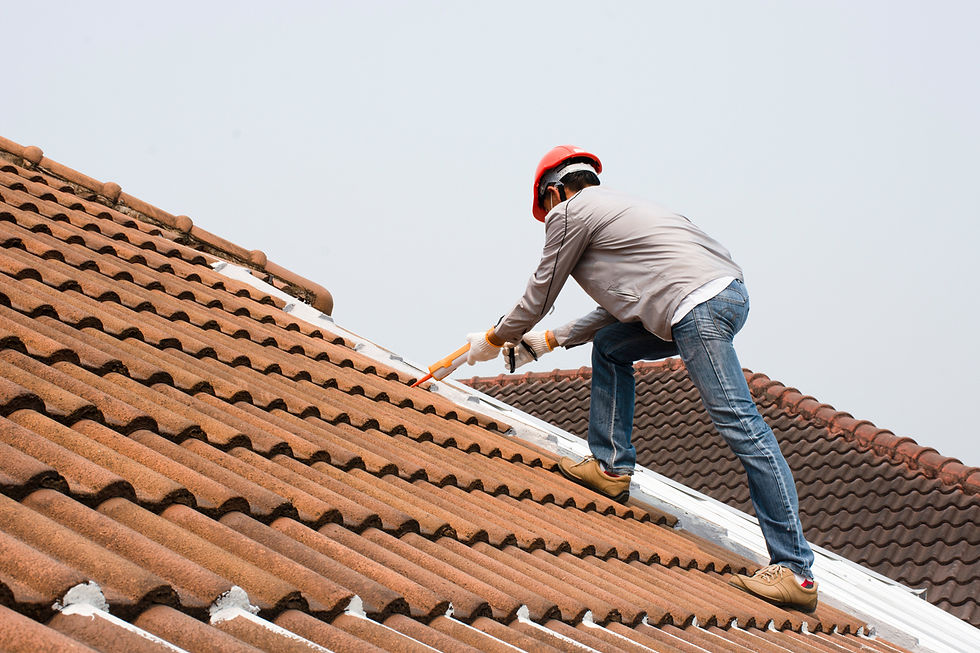
For most asphalt and metal roofs in safe conditions, yes. Foot inspection lets the assessor check for soft spots, examine flashing detail, and document close-up surface condition. Cedar shake, slate, fragile concrete tile, and any roof in icy or wet conditions are inspected by drone or extension ladder to avoid damage and risk.
How long does it take to get the report after the inspection?
Standard turnaround is 1 to 3 business days. Insurance claim inspections sometimes deliver same-day for time-sensitive submissions. Complex or expanded reports (multiple buildings, full thermal imaging analysis) can take a week. Confirm turnaround before booking.
Will the inspector quote repair work in the same visit?
Many inspectors include a separate repair quote with the inspection report, especially for simple fixes (sealant, single shingle replacement, minor flashing repair). Major work (replacement, large flashing reconstruction) usually requires a follow-up site visit and a detailed quote. Inspection cost and repair cost should be itemized separately so you can compare.
What gets prioritized if the budget for repairs is limited?
The standard priority order: safety items (fall hazards, structural concerns) first, leak prevention second (active or imminent water entry), system performance third (ventilation, drainage), cosmetic last. A good inspector ranks recommendations so you can address Tier 1 items now and budget Tier 2 over the next 6 to 12 months.

About Superior Roofing: Superior Roofing Ltd. provides HAAG-certified residential roof inspections throughout Calgary, specializing in detailed written reports that meet Alberta insurance carrier requirements, delivered by Red Seal Journeymen with $10 million liability backing for homeowners requiring trusted, defensible inspection findings.
Ready to schedule a HAAG-certified residential roof inspection backed by 25+ years of Calgary experience? Superior Roofing helps Calgary homeowners catch problems early with thorough, code-aware reports that hold up to insurance scrutiny.
Contact us today at 403-464-3812 to book your free residential roof inspection quote.
Disclaimer: Roofing involves safety risks; consult licensed professionals for work beyond ground-level visual checks. Costs and specifications provided are estimates based on typical Calgary market conditions and may vary based on specific project requirements and current material pricing.


Comments