
Ice Dam Damage Repair in Calgary: Fix the Damage and Stop It from Returning
- Superior Roofing

- May 20
- 7 min read
Quick Answer: Calgary ice dam damage repair has two halves. First, fix what's broken: shingles at the eave, deck rot, fascia, and any interior leaks ($800 to $1,500 surface only, $1,500 to $3,500 with more serious damage). Second, fix the cause so it doesn't happen again: top up attic insulation to R-50, balance intake and exhaust ventilation, and consider heat cables at problem eaves. Skipping the cause means the dam returns next winter. Never DIY ice dam removal with chisels or salt; professional steam removal is the only safe method.
Ice dams are a Calgary classic. Our deep freeze-thaw cycling, Chinook events, and the typical Calgary attic insulation level (often inadequate by modern standards) combine to create perfect conditions every winter. The damage they cause is fixable, and the repair is well-understood, but most homeowners don't realize the repair is only half the job. Without addressing the cause, the next winter brings the same dam, the same leak, and the same repair bill. This article walks through what ice dam damage looks like, the safe removal of active dams, the full repair scope, and the prevention work that ends the cycle.
At a Glance
📊 Quick Facts:
Surface repair (shingles, minor work): $800 to $1,500
Repair with deck and ventilation work: $1,500 to $3,500
Attic insulation top-up (R-30 to R-50): $1,500 to $3,000
Heat cable installation: $500 to $1,500
Calgary winter Chinook events (typical): 30 to 35 per year (Environment and Climate Change Canada)
Insurance coverage for ice dam interior damage: Usually yes, subject to the deductible
Safe ice dam removal: Steam only, never chisels or salt
What Ice Dams Do
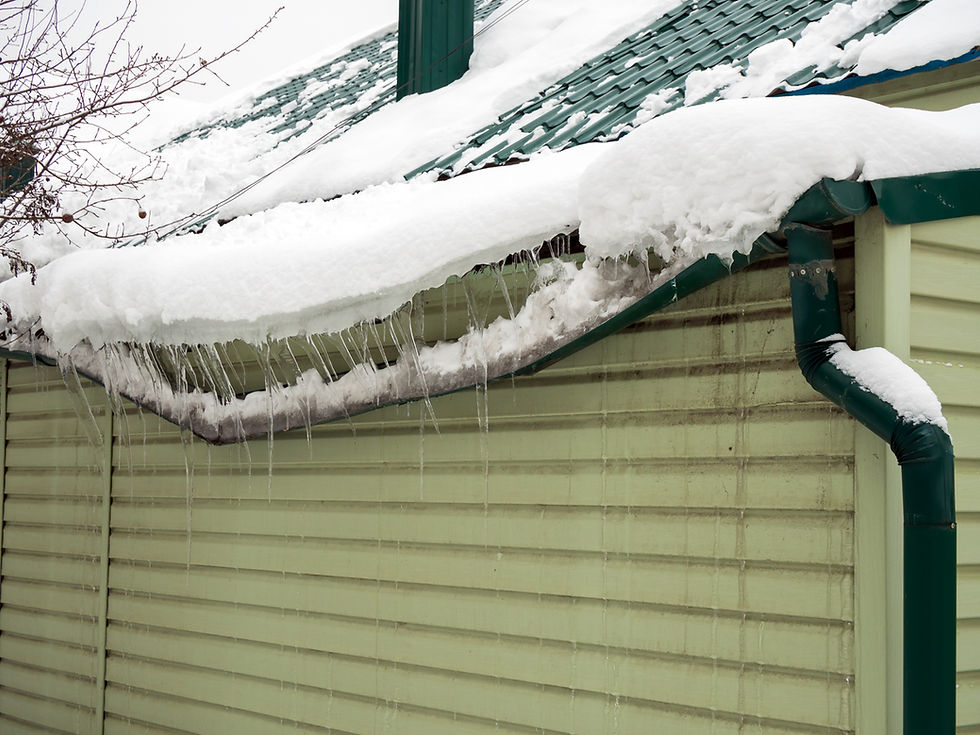
An ice dam is a ridge of ice that forms at the eave when warm attic air melts upper-roof snow, the water runs down to the cold eave, and refreezes. The dam grows over weeks of cycling, and water backed up behind it eventually finds its way under the shingles and into the home.
Damage from a fully developed ice dam includes:
Shingle tearing at the eave. Water working under the shingles lifts and tears them. Even when the dam melts, the damaged shingles need replacement.
Deck rots at the eaves. Water sitting under shingles for weeks penetrates the OSB or plywood deck. Sustained moisture creates rot that compromises the structure.
Fascia damage. Water draining off the dam wets the fascia board. Combined with the freeze-thaw cycle, the fascia rots, the paint peels, and the aluminum cap can pull away from the rotted wood underneath.
Eavestrough and downspout damage. Ice forming in gutters tears them off the fascia or splits seams. Repair often requires replacing the gutter section entirely.
Interior leaks. Water finds paths along the framing into the home. Common interior signs: stains on upstairs ceilings near exterior walls, drips at exterior wall corners, wet insulation in attics, and mould on attic rafters.
Insulation damage. Wet attic insulation loses R-value and becomes a mould risk. Often needs replacement during repair.
Why Ice Dams Form in Calgary
The conditions are simple but specific.
Warm attic air. Heat from the home rises into the attic. If insulation is inadequate (typical Calgary homes built before 1990 often have R-20 to R-30 attics, well below the R-50 modern standard), significant heat reaches the underside of the roof deck.
Snow on the upper roof. Calgary winters average 100 to 130 cm of snowfall total, but Chinooks regularly bring single-event snowfalls of 5 to 20 cm.
Cold eaves. The eaves overhang the heated home, so they sit at outdoor temperature. The temperature gradient between the warm upper roof and the cold eave drives the cycle.
Freeze-thaw cycling. Calgary's Chinooks create rapid temperature swings that produce the melt-refreeze pattern. A 24-hour Chinook can melt several centimetres of upper-roof snow that immediately freezes at the eave.
The same conditions exist in other cold cities, but Calgary's Chinook frequency makes the cycling more aggressive than typical prairie or Ontario cold climates.

Active Ice Dam Removal: Why DIY Is Dangerous
If you're seeing an active ice dam right now (visible ice ridge at the eave, icicles forming behind gutters), here's what NOT to do.
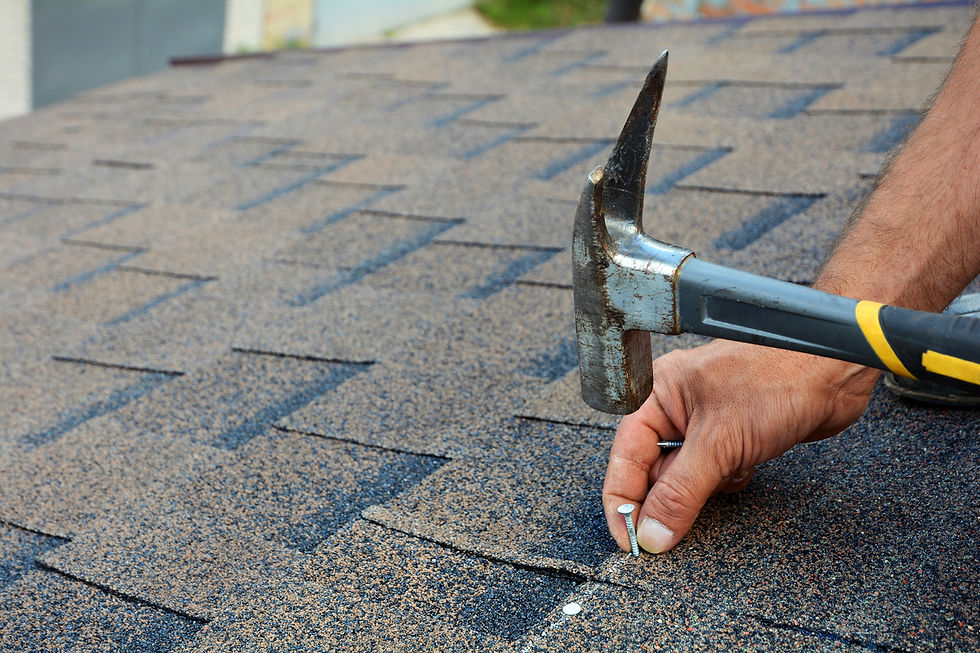
Do not use a chisel, axe, or hammer. Chiseling ice off a roof damages the shingles underneath and creates falling-ice hazards. Even if you avoid roof damage, the chisel ricocheting off ice can hit you in the face.
Do not use salt or ice melt products. Calcium chloride and other ice melts corrode metal flashing, eavestrough, and fasteners. They also damage the surrounding landscape and can stain siding when meltwater drains.
Do not climb a wet, icy roof. Falling from any roof is catastrophic; falling from an ice-covered roof in winter is particularly so.
Do not use a ladder positioned on snow or ice. Ladder bases need stable ground; snow and ice cause base movement and falls.
The correct removal method is professional steam removal. A pressure-controlled steam wand melts the ice without damaging shingles, fasteners, or the roof structure. Calgary contractors equipped for steam removal can typically respond within 24 to 48 hours during winter ice dam events.
Cost: $400 to $1,000 for steam removal of a typical Calgary ice dam, depending on length and accessibility.
Repair Scope After Ice Dam Damage
Once the active ice is removed and the snow has cleared, the full repair scope can be assessed.
Surface scope (most common):
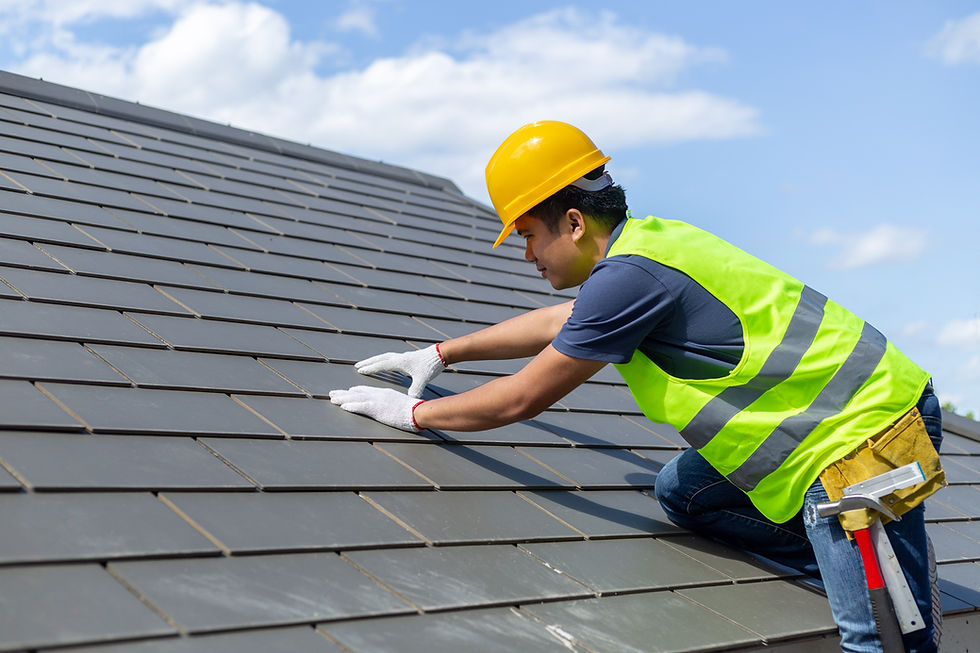
Replace damaged shingles at the eave (1 to 3 metres typically)
Extend ice and water shield further inland (some contractors install ice and water shield 1 metre beyond the dam zone for future protection)
Repair fascia damage (paint, sometimes board replacement)
Inspect and re-secure eavestrough sections
Patch the interior drywall affected by leaks
Cost: $800 to $1,500.
Full scope (with more serious damage):
All of the above
Deck (sheathing) replacement where rot is found ($80 to $120 per 4x8 sheet installed)
Replace damaged insulation (wet insulation has lost R-value and may have mould)
Repair drywall and possibly trim
Address ventilation deficiencies (intake and exhaust)
Consider attic insulation top-up
Cost: $1,500 to $3,500. Severe damage with extensive deck and interior work can exceed $5,000.
Underlying causes scope (the prevention work):
Attic insulation top-up to R-50: $1,500 to $3,000 added
Soffit vent additions or unblocking: $200 to $600 added
Ridge vent installation if exhaust is inadequate: $300 to $800 added
Heat cable installation at problem eaves: $500 to $1,500 added
Bundling the cause-prevention work with the damage repair is more efficient than coming back to do it separately. A reputable Calgary contractor will recommend the prevention scope when they see ice dam damage.
Why Insulation and Ventilation Are the Real Fix
Ice dams are a symptom; inadequate insulation and ventilation are the cause. Here's why those two interventions matter.
Insulation. A well-insulated attic (R-50 in Calgary's climate) keeps the underside of the roof deck cold. Cold deck = no melt = no ice dam. Most Calgary homes built before 1990 have R-20 to R-30 attic insulation, which allows enough heat through to drive the cycle.
Ventilation. Even with good insulation, some warm air reaches the attic. Balanced ventilation (intake at the soffits, exhaust at the ridge or near the peak) flushes warm air out before it can warm the deck. Imbalanced ventilation (more exhaust than intake or vice versa) is nearly as bad as no ventilation.
Heat cables (zone-specific). For homes with persistent ice dam areas (often a specific dormer or eave that consistently fails), heat cables installed in zigzag patterns at the problem eave provide a localized fix. Heat cables draw electricity (typically 6 to 8 watts per foot) and run on a thermostat or timer.
The combination — adequate insulation + balanced ventilation + heat cables where needed — eliminates ice dams in 95% of Calgary homes. Skipping any element risks the cycle returning.

Prevention for Next Winter
If you've had ice dam damage this winter, take these steps before next:
Spring: Schedule the full ice gam damage repair, including underlying causes. Don't wait until next October. Crews are less booked in spring, and the work is easier with the snow gone.
Summer: Verify the repair work and any insulation upgrades. Inspect attic ventilation balance (a contractor can perform a ventilation assessment at modest cost).
Fall: Clean eavestroughs and downspouts before snow. Test heat cables if installed. Inspect the insulation level and top up if any settling has occurred. Check the fascia and soffit condition.
Winter: Monitor for ice formation at the eave during early-season cold snaps. If you see early dam formation, call for steam removal before it grows. Catching dams early prevents major repairs.
For homes with severe ice-damming history, Calgary's better contractors offer winter monitoring contracts that include preventive steam removal at the first sign of formation.
Frequently Asked Questions
Is ice dam damage covered by home insurance?
Usually, yes, for the interior damage caused by water entry, subject to your deductible. Coverage of the underlying roof repair varies by policy. Coverage rarely extends to insulation upgrades or ventilation improvements (these are considered maintenance, not damage repair). Document everything and call your carrier within 24 hours of finding interior damage.
Can I prevent ice dams with heated cables alone?
Sometimes, for limited problem zones. Heat cables alone don't address the root cause (warm attic) and can run up significant electricity bills if covering a large eave area. The most reliable prevention is insulation + ventilation + heat cables for stubborn zones. Heat cables alone work best on small, persistent problem areas of an otherwise sound roof.
Why does my neighbour's roof not get ice dams?
Different attic conditions. Their insulation may be deeper, their ventilation may be balanced, or their roof slope and exposure may differ. Newer Calgary homes (post-2000) typically have better insulation and ventilation built in than older homes. Houses on the same street can have very different ice dam behaviours.
How urgent is ice dam removal?
Within 24 to 72 hours of formation, if you can see active interior leaks. Within a week if the dam is forming but no interior damage yet. Active leaks compound damage quickly; even a few days of unaddressed leaks can rot framing and ruin insulation. Same-day steam removal is available from Calgary contractors during winter.
Will fixing my insulation actually stop them?
In most cases, yes. An insulation upgrade alone solves the ice dam problem on roughly 60% to 70% of Calgary homes that have it. Combined with ventilation balance, the success rate climbs to 90%+. Heat cables address the remaining stubborn cases. Insulation is the highest-leverage single intervention.

About Superior Roofing: Superior Roofing Ltd. provides Calgary residential roof repair throughout the city, specializing in complete ice dam damage repair, including underlying insulation and ventilation fixes delivered by Red Seal Journeymen with 25+ years of Calgary freeze-thaw expertise for homeowners requiring trusted, lasting ice dam solutions.
Ready to fix Calgary ice dam damage and stop it from returning next winter? Superior Roofing helps Calgary homeowners get full-system repair backed by 25+ years of local experience, balanced ventilation work, and same-day winter steam removal.
Contact us today at 403-464-3812 to book your free residential roof repair quote.
Disclaimer: Roofing involves safety risks; consult licensed professionals for work beyond ground-level visual checks. Costs and specifications provided are estimates based on typical Calgary market conditions and may vary based on specific project requirements and current material pricing.

Comments