
Calgary Flat Roofing: Complete Guide for Homeowners and Property Owners
- Superior Roofing

- 1 day ago
- 9 min read
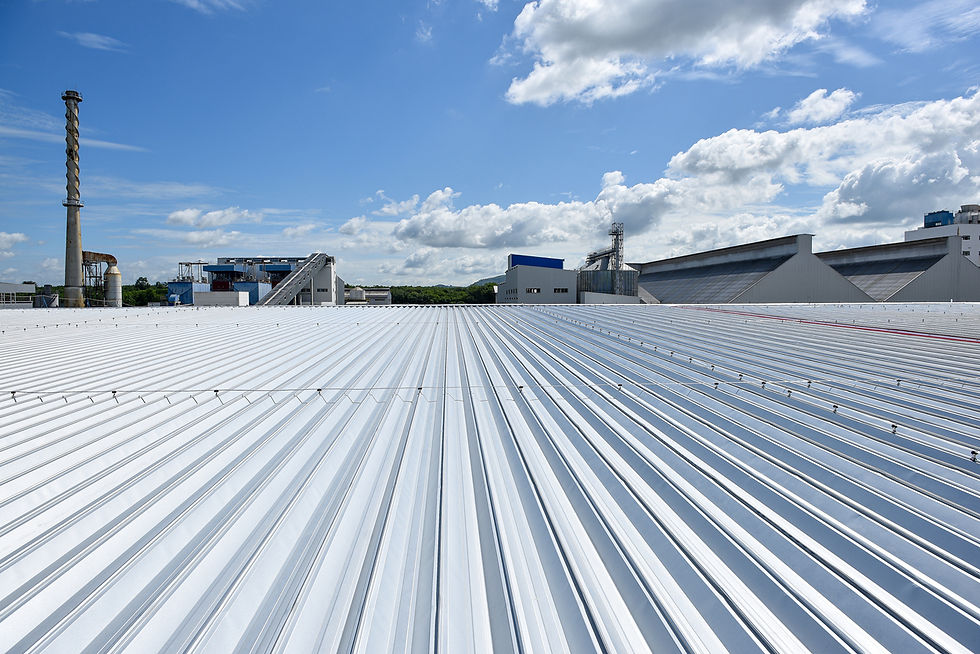
Quick Answer: Calgary flat roofing covers low-slope roof systems used on modern homes, garages, additions, dormers, and most commercial buildings. Common materials include SBS modified bitumen, TPO, EPDM, and built-up systems, each priced from $8 to $20 per square foot installed. Drainage, snow load capacity, and Chinook freeze-thaw resistance matter more than aesthetics. Properly installed flat roofs last 20 to 30 years in Calgary's climate with documented annual maintenance.
A flat roof in Calgary isn't actually flat. It's a low-slope system (typically 1/4 inch per foot of pitch) that uses a continuous waterproof membrane instead of overlapping shingles. Done well, a flat roof is quiet, energy-efficient, accessible for maintenance, and ideal for housing rooftop equipment. Done poorly, it ponds water, fails at seams under Chinook thermal cycling, and leaks within 5 years. This guide covers everything a Calgary homeowner with a flat-roof addition, garage, or modern home needs to know, alongside what small commercial property owners need to make confident decisions about TPO, EPDM, SBS, drainage, snow load, and budget.
At a Glance
Quick Facts:
Calgary flat roof lifespan: 20 to 30 years (well-installed), 10 to 15 years (poorly installed)
Installed cost range: $8 to $20 per square foot depending on material and access
Most common Calgary materials: SBS modified bitumen, TPO single-ply, EPDM rubber, built-up roofing
Minimum slope: 1/4 inch per foot (2% grade) for drainage
Snow load standard: Calgary residential 2.1 kPa; verify commercial via structural engineer
#1 failure cause: Ponding water at low spots and around drains
Maintenance frequency: Annual minimum, twice yearly for commercial
Key Takeaways
Flat roofing is a system, not just a membrane. Drainage, deck slope, insulation, flashings, and penetrations all matter as much as the material choice itself.
Material choice should follow the building, not the price. SBS for residential additions and garages, TPO for modern flat-roof homes and commercial, EPDM where movement is the dominant concern.
Ponding water is the number one Calgary flat-roof killer. Any standing water 48 hours after rainfall indicates a drainage problem that needs investigation.
Annual maintenance is mandatory, not optional. Most commercial warranties require it; residential flat roofs without maintenance lose 5 to 10 years of lifespan.
Snow load matters more on flat roofs than pitched roofs. Drifting at parapets and equipment creates concentrated loads that exceed average depths.
Installation quality determines lifespan more than material choice. A well-installed budget membrane outperforms a poorly installed premium membrane every time.
Why Flat Roofs Need Different Thinking Than Shingled Roofs
A pitched asphalt-shingle roof sheds water by gravity. Each shingle overlaps the next, and water has no time to sit. A flat roof doesn't have that advantage. Water sits on the surface until drains, scuppers, or evaporation move it. Every detail of a flat roof is built around that fact.
Three Calgary realities shape flat-roof performance.
Chinook thermal cycling. Environment and Climate Change Canada records 30 to 35 Chinook events per Calgary winter. Each event swings rooftop temperatures by 15°C to 25°C in a few hours. Flat-roof membranes expand and contract through every cycle, stressing seams, perimeter flashings, and penetration boots harder than steady-cold climates.
Snow accumulation. Snow sits on a flat roof until it melts, sublimates, or gets shovelled off. Drifting at parapet walls and rooftop equipment concentrates load in unexpected spots.
High-altitude UV. Calgary sits at 1,045 metres. UV intensity at altitude degrades exposed membranes faster than in sea-level cities, which is why white reflective TPO and granular-cap SBS are popular here.
The combined result: a Calgary flat roof needs materials and installation details that account for movement, drainage, and UV exposure. Generic flat-roof specifications written for Toronto or Vancouver underperform here.
The Four Flat Roof Materials You'll See in Calgary
Each system has a place. The right choice depends on the building, the budget, and the use case.
SBS modified bitumen (two-ply torch-down or self-adhered).
The Calgary residential workhorse. Two layers of asphalt-based membrane modified with rubberized polymers, finished with a granular cap sheet for UV protection. Handles freeze-thaw well, repairs easily, lifespan 20 to 30 years.
TPO (thermoplastic polyolefin)
A white single-ply membrane heat-welded at seams. Reflects solar heat, common on commercial buildings, lifespan 20 to 25 years. Now widely used on modern Calgary homes with flat or low-slope sections.
EPDM (ethylene propylene diene monomer)
Black rubber membrane in large sheets, seamed with adhesive tape. Highly flexible (handles Chinook movement well), proven 30+ year history, lifespan 25 to 30 years. Common on residential garages and additions.
Built-up roofing (BUR)
Multiple plies of asphalt-saturated felt finished with gravel ballast. The legacy commercial system; less common on new installs but still found on older Calgary buildings. Lifespan: 20 to 30 years.
Cost rough order, lowest to highest installed: SBS modified bitumen, EPDM, TPO, built-up. Material choice should follow building requirements, not price alone. A detailed material comparison appears in the dedicated comparison article in this cluster.
Where Calgary Homes Have Flat Roofs
Most Calgary homes are pitched-roof construction. Flat sections appear in five common situations.
Modern flat-roof homes
Contemporary architecture built since roughly 2010 increasingly features flat or near-flat roof designs. These typically use TPO or EPDM membranes and require precise drainage planning.
Detached garages
Many Calgary garages, particularly in inner-city neighbourhoods, have flat or low-slope roofs. SBS modified bitumen is the typical material.
Additions and bump-outs
Single-storey additions to two-storey homes often use flat roofs to keep the addition below the existing roofline. Tie-in flashing at the wall is the failure-prone detail.
Porches and entry covers
Covered porches, entryways, and second-storey deck surfaces often use flat-roof construction with walkable or non-walkable membrane systems.
Dormers and shed-roof sections
Low-slope dormers, mansard returns, and shed-roof sections behave like flat roofs even when slightly pitched, and need flat-roof installation details.
Each of these creates a tie-in between the flat membrane and the surrounding pitched roof, siding, or parapet. The tie-in is almost always where flat-roof leaks start.

Commercial Flat Roofs in Calgary
For warehouses, retail spaces, multi-tenant buildings, offices, and industrial facilities, flat roofing is the default. Commercial systems differ from residential in several ways.
Scale. Commercial roofs measured in tens of thousands of square feet require taper packages for drainage, larger drain systems, and zoned warranties.
Equipment penetrations. HVAC units, exhaust fans, vents, conduit runs, and skylights each create flashing details that must be installed correctly.
Manufacturer certification. Commercial single-ply systems (TPO, EPDM, PVC) typically require manufacturer-certified contractors for full warranty coverage. Superior Roofing holds authorized applicator status with Sika, SOPREMA, Carlisle SynTec, Duro-Last, and Holcim Elevate, which covers most commercial system warranty requirements.
Snow load engineering. Larger commercial roofs need structural engineering review for snow load and drift conditions, particularly with rooftop equipment that creates wind shadows.
Roof access and safety. Commercial maintenance involves OH&S-compliant access systems, fall protection, and documented safety procedures. Alberta Construction Safety Association (ACSA) standards apply.
Drainage: The Single Biggest Calgary Flat Roof Concern
Ponding water (standing water that remains 48 hours after rainfall or snowmelt) is the number one cause of premature flat-roof failure in Calgary.
Proper flat-roof drainage requires:
Minimum 1/4 inch per foot slope toward drains, scuppers, or perimeter edges
Adequate drain count and sizing for the roof area being drained
Secondary overflow drains or scuppers required by Alberta Building Code in case primary drains clog
Tapered insulation packages on flat decks that don't have built-in slope
Drain bowl cleaning as part of every maintenance visit
Calgary's combination of heavy summer rain events and Chinook-driven snowmelt creates higher peak drainage loads than the prairie average. Drainage calculations that work in Saskatchewan often undersize for Calgary's rapid melt scenarios.
A separate article in this cluster covers drainage strategy in detail, including how to tell whether your existing system is adequate.
Snow Load: Why Flat Roofs Care More Than Pitched Roofs
A pitched roof sheds snow gradually as wind, sun, and gravity move it. A flat roof holds snow until it melts.
Calgary's residential snow load design standard is 2.1 kPa (kilopascals), based on Alberta Building Code requirements for Calgary's location. Commercial buildings require structural engineering review based on building geometry, drift conditions, and equipment loading.
Three practical snow-load concerns:
Drift accumulation. Wind drives snow against parapet walls, rooftop equipment, and roof-to-wall transitions. Drifts can exceed the average snow depth by 2 to 4 times in concentrated spots.
Wet snow events. Calgary's spring wet-snow storms (March and April typically) load roofs much more than the same depth of dry winter snow. A 30 cm wet-snow event can exceed design load.
Ice damming on parapet returns. Where flat roofs meet parapet walls or higher roof sections, snow can melt and refreeze at the wall base, creating localized ice loads.
Snow shovelling a flat roof is generally not necessary for code-compliant residential construction but may be advisable on older buildings or during exceptional snowfall events. Hire experienced crews with the right tools (plastic shovels, fall protection); metal shovels damage membranes.
How Long Calgary Flat Roofs Actually Last
Manufacturer warranties on flat-roof materials typically run 15 to 30 years. Real-world Calgary lifespan depends on three factors.
Installation quality
Membrane seams, perimeter flashings, and penetration details account for nearly all flat-roof leaks. A well-installed roof reaches its full rated lifespan; a poorly installed roof fails in 8 to 12 years regardless of material.
Maintenance discipline
Annual inspection with drain cleaning, debris removal, and minor sealant repair extends life by 5 to 8 years compared to no maintenance. Most commercial warranties require documented maintenance.
Climate exposure
A flat roof under heavy tree cover (organic debris, shading, holds moisture) ages faster than an exposed roof. Wind-exposed roofs see more thermal cycling damage. South-facing exposures see more UV damage.
Typical Calgary lifespan by material with proper installation and maintenance:
SBS modified bitumen: 20 to 30 years
TPO: 20 to 25 years (varies by manufacturer and thickness)
EPDM: 25 to 30 years
Built-up roofing: 20 to 30 years
PVC single-ply: 20 to 30 years (less common residentially)
For comparison, Calgary's high-altitude UV and freeze-thaw cycling typically reduce lifespan by 10% to 15% versus southern Ontario or coastal BC.
Repair vs Replace: The Threshold Question
Most flat roofs hit a repair-versus-replace decision somewhere around year 15 to 20.
Signs the repair path still makes sense:
Single localized leak with identifiable cause (e.g., torn membrane near HVAC unit)
Fewer than 3 active leaks across the entire roof
Membrane surface still intact across most of the area
Roof under 15 years old
Flashings repairable individually
Signs replacement is the better path:
Multiple leaks across different roof areas
Widespread ponding indicating failed substrate slope
Membrane brittleness, splitting, or shrinkage
Granular loss exposing the underlying bitumen on SBS roofs
Roof over 20 years old with documented maintenance history
Insulation moisture saturation found by infrared scan
The repair-cost article in this cluster details typical Calgary repair pricing by failure type, and the replacement-timeline article covers what a full replacement actually looks like.

What Calgary Flat Roofing Actually Costs
Installed flat roofing costs vary significantly by material, building access, deck condition, and warranty level.
Residential flat roof or garage (typical 200 to 800 square feet):
SBS modified bitumen: $8 to $14 per square foot
EPDM: $9 to $14 per square foot
TPO: $10 to $16 per square foot
Built-up roofing: $10 to $15 per square foot
Commercial (typical 5,000 to 50,000 square feet):
TPO single-ply: $9 to $15 per square foot
EPDM single-ply: $9 to $14 per square foot
SBS modified bitumen: $10 to $16 per square foot
PVC single-ply: $12 to $18 per square foot
Factors that move pricing within the range:
Tear-off and disposal of existing roof
Deck repair or replacement
Insulation upgrade or tapered insulation packages
Drain replacement or addition
Parapet wall flashing and metal work
Equipment penetration count
Warranty level (10-year, 15-year, 20-year, 30-year NDL)
Roof access (cranes, lifts, occupied building considerations)
A dedicated cost article in this cluster breaks down 2026 Calgary pricing with detailed line items.
Frequently Asked Questions
Is a flat roof actually flat?
No. Flat roofs are low-slope systems with a minimum 1/4 inch per foot of pitch (about a 2% grade) to direct water toward drains, scuppers, or perimeter edges. The slope is built into the deck framing or added with tapered insulation packages on flat decks.
How long does a flat roof last in Calgary?
Properly installed flat roofs last 20 to 30 years in Calgary, depending on material. SBS modified bitumen and EPDM are at the longer end; TPO is in the 20 to 25 year range. Poor installation or no maintenance can cut lifespan in half regardless of material.
Which flat roof material is best for Calgary?
For residential additions, garages, and porches: SBS modified bitumen handles freeze-thaw well and repairs easily. For modern flat-roof homes: TPO offers reflectivity and clean aesthetics. For commercial: TPO, EPDM, and SBS all perform well; choice depends on warranty preference and contractor certification.
How much does a flat roof cost in Calgary?
Residential flat roofs typically run $8 to $16 per square foot installed, depending on material and complexity. Commercial systems run $9 to $18 per square foot. Tear-off, deck repair, insulation upgrades, and drainage modifications add to base pricing.
Do flat roofs leak more than pitched roofs?
Properly installed and maintained flat roofs do not leak more than pitched roofs. Poorly installed flat roofs leak more because membrane seams and flashing details are unforgiving of installation errors. The difference is installation quality, not roof type.
Can I walk on my flat roof?
It depends on the membrane. Some systems are designed for foot traffic (walking pads, hybrid systems, certain modified bitumen products). Others are damaged easily under repeated foot traffic. Confirm with your installer before walking the roof for maintenance, snow removal, or rooftop activities.
How often does a flat roof need maintenance?
Annual minimum for residential flat roofs and garages. Twice yearly for commercial buildings. Drain cleaning, debris removal, seam and flashing inspection, and penetration boot checks are the core tasks. Most manufacturer warranties require documented maintenance to remain valid.

About Superior Roofing: Superior Roofing Ltd. provides Calgary flat roofing services throughout the city, specializing in residential and commercial low-slope systems including SBS modified bitumen, TPO, EPDM, and built-up roofing delivered by Red Seal Journeymen and manufacturer-certified installers for property owners requiring trusted, code-compliant flat-roof installation, repair, and maintenance.
Ready to plan a Calgary flat roofing project that will last decades in our freeze-thaw climate? Superior Roofing helps Calgary homeowners and property owners get manufacturer-warrantied installations backed by 25+ years of local experience, authorized applicator status with Sika, SOPREMA, Carlisle SynTec, Duro-Last, and Holcim Elevate, and $10 million liability coverage.
Contact us today at 403-464-3812 to book your free flat roofing consultation.
Disclaimer: Roofing involves safety risks; consult licensed professionals for work beyond ground-level visual checks. Costs and specifications provided are estimates based on typical Calgary market conditions and may vary based on specific project requirements and current material pricing.


Comments